Those who have followed the NAFTA/USMCA storyline will remember that Volkswagen made a strategic bet on North America when it decided to expand production into Mexico for the Audi Q5 mid-size SUV brand. That was an analytical mistake as Audi does not make any vehicles inside the USA.
The Volkswagen leadership have made several blunders since that initial decision to open plants in Mexico. The massive push on EVs without understanding the USA market was a strategic mistake. The decision to align financial survival with a deep Chinese partnership was another.
Meanwhile, back in both Brussels and Germany the political calculus around energy policy was catastrophic for the entire auto industry. The costs of industrial production skyrocketed, making the price of SUVs for the U.S. market far above the consumer’s pocketbook, and a pre-existing 25% tariff on Trucks/SUVs made things worse.
Essentially, every decision made by Volkswagen/Audi with the North American market in mind was exactly the opposite of what they should have done. In Germany the entire Volkswagen family of autos is shedding 100,000 jobs in a desperate restructuring effort. However, Audi is now looking at North America again and trying to correct their previous mistakes.

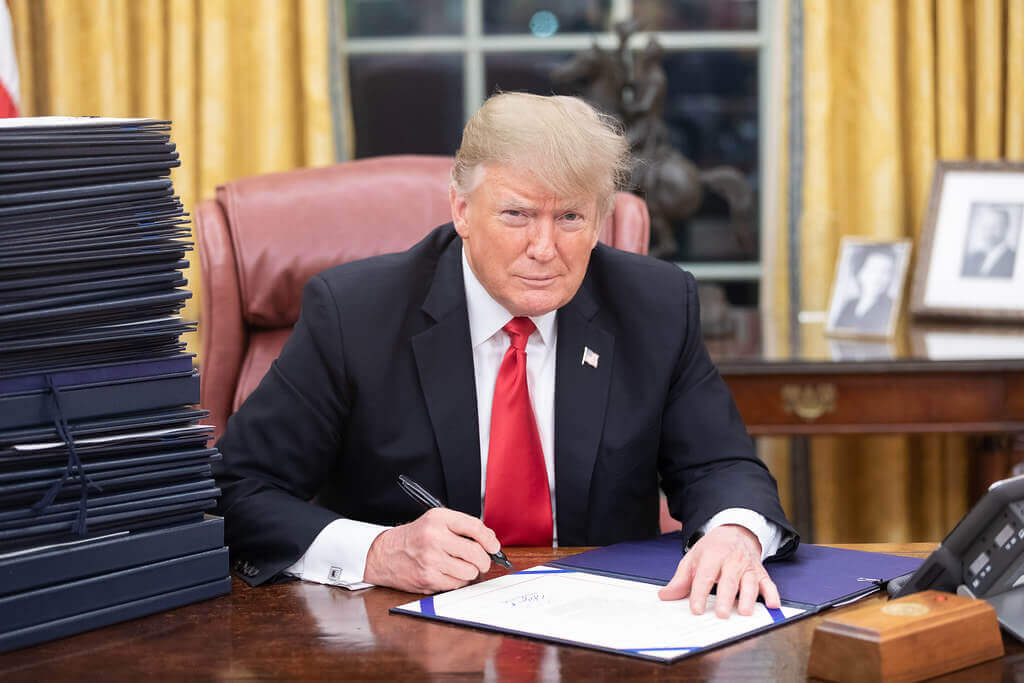
President Donald Trump and Audi Chief Executive Gernot Döllner
Audi is now announcing a $4 billion investment in an SUV manufacturing plant in Macon, Georgia. The facility will make the Q7, Q8 and Q9 SUV models in Georgia with the Q5 remaining in Mexico (for now).
GEORGIA – German automaker Audi has announced plans to invest $4 billion in its first American production facility, to be built in Georgia, with the goal of manufacturing up to 200,000 vehicles annually and creating about 4,500 jobs. The decision was revealed during a campaign rally in Perry, Georgia, where President Donald Trump and Audi Chief Executive Gernot Döllner appeared together on stage, highlighting the significance of the investment for both the region and the company.
Construction on the new plant at the Middle Georgia Mega Site is expected to begin in 2027, with the first vehicles rolling off the assembly line in the early 2030s. The facility aims to produce premium SUVs specifically tailored for North American customers, establishing North America as Audi’s third major production pillar alongside Europe and China.
(more…)
Posted in Auto Sector,
Big Government,
Big Stupid Government,
Donald Trump,
Economy,
Election 2026,
European Union,
Germany,
NAFTA,
President Trump,
Trade Deal,
Uncategorized,
USMCA